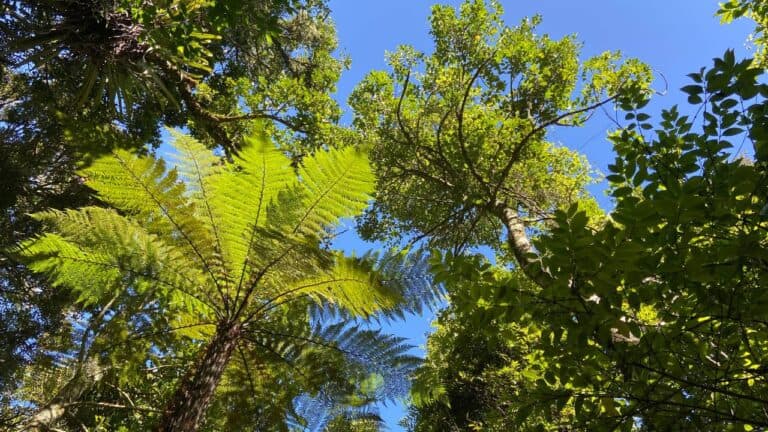
Māori culture in Aotearoa-New Zealand
Māori culture is connected to many of the important, unique features of Aotearoa-New Zealand.
Some of the most famous images of New Zealand internationally are Māori, including artists and film makers, and sports teams performing a haka, or Māori ceremonial dance, before games.
For another example: many people (including me) find it exciting and inspiring that a New Zealand river, the Whanganui River, has legal personhood. This is due to the efforts of Māori.
This is a very brief introduction to Māori culture in New Zealand, covering some aspects that are helpful for visitors to know about.
I’m not writing this as a cultural expert of any kind. This is general knowledge from my own learning and experience as a New Zealander.
I’m not Māori, my parents emigrated to New Zealand in the 1950s before I was born.
This post includes the kind of starting level information that I’d love to have when I visit other places, including the lands where my ancestors lived. That’s a big part of my reason for writing this piece.
I greatly value the strength and warmth of Māori culture and the unique qualities it contributes to New Zealand. In this post I’m writing about some of these aspects, from my own experience.
Topics include the importance of connection and welcoming strangers for Māori culture; the place of Māori in Aotearoa-New Zealand; some common words in Te Reo Māori language and how to pronounce them; where to find Māori tourism ventures and Māori cultural performances.
I’ve given many links throughout this post so you can do more research, if you want. And there’s a reading list and some recommendations for great Māori media.
Importance of relationships and connection
When I was planning this blog, I asked a kuia (a Māori elder) for guidance. Her advice was to focus on relationships and connection.
This is very different from a European/ Western way of doing things, where getting facts correct takes precedence, and many people feel isolated, and relationships, especially with ancestors, are often fractured.
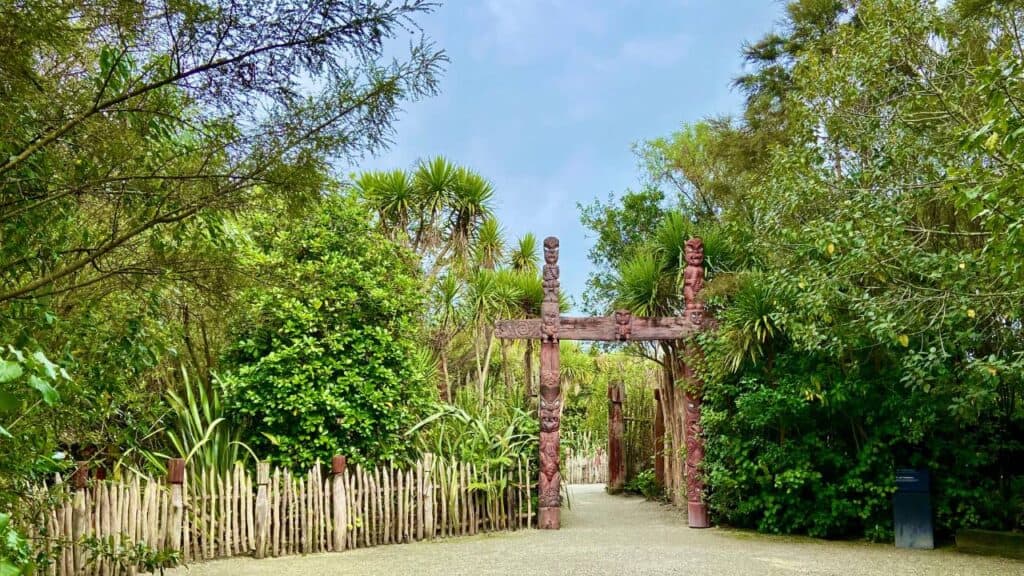
Māori culture has careful protocols and rituals about welcoming strangers, to places, occasions, events, organisations, groups. The warm welcome extended in Māori culture makes visitors and strangers feel included. Manaakitanga is the term for this. There’s no equivalent in Pakeha (or Western) culture.
This is one of the great strengths of Māori culture, including in tourism. When you feel welcomed as a tourist, it’s not just a performance. It’s a cornerstone of Māori culture.
Māori and Pakeha
Māori are the indigenous people of New Zealand, the tangata whenua (this means “people of the land”). Here’s how to pronounce Māori. (NB hover the cursor over the symbol at the end of the word “Māori”.)
Māori leaders signed a treaty with the British Crown in 1840, the Treaty of Waitangi, Te Tiriti o Waitangi. This is considered to be a founding document of New Zealand.
Nearly 20% of New Zealanders have some Maori ancestry. I’m not in that 20%, my ancestors are mostly from northern Europe. Many of my father’s people are from Wales, where the indigenous language has been revitalising strongly in the last 50 years. (But I know more Māori words than Welsh language, that’s how disconnected I am currently.)
The word for someone like me is Pakeha, meaning a New Zealander of European ancestry. Here’s how to pronounce Pakeha.
Aotearoa
Aotearoa is the generally used Māori name for New Zealand. It’s widely used in public and on official documents, including New Zealand passports. Aotearoa-New Zealand is commonly used. Here’s how to say Aotearoa.
A Māori name for the North Island is Te-Ika-a-Māui, which means “Māui’s fish”; and the South Island is Te Waipounamu, which translates as “greenstone water”.
Some famous Māori people
Māori are represented in all public areas of New Zealand life, including arts and culture, sports, law, education and politics.
Some famous New Zealanders who identify as Māori include musicians Stan Walker, Hinewehi Mohi, Bic Runga and Marlon Williams, and opera singer Kiri Te Kanawa; artists including Shane Cotton, Lisa Reihana, Michael Parekowhai and Fiona Pardington.
Māori film makers include Taika Waititi, Cliff Curtis, Chelsea Winstanley, Merata Mita and Ramai Hayward.
There are many beloved Māori sportspeople – just a few are canoeist Lisa Carrington, rugby player Portia Woodman and rugby league star Stacey Jones.
Well known Māori writers include Patricia Grace, Witi Ihimaera, Keri Hulme, Paula Morris and Becky Manawatu.
Māori language
Māori language, Te Reo, is one of the three official languages of New Zealand, along with English and New Zealand Sign Language.
Māori language was faced with extinction in the mid-20th century. Children were beaten for speaking Te Reo Māori at school, and parents who wanted their children to succeed didn’t teach them Te Reo.
As a result, many people of Māori ancestry don’t speak Te Reo. However, in the last few decades the number of people learning and speaking Te Reo has greatly increased. And the language is celebrated.
Pronunciation of Māori words and place names
For common phrases and local place names, here are some helpful pronunciation guides from Waikato University. (Scroll down to find the phrases and place names.)
This is a good pronunciation guide, aimed at visitors, for place names of the South Island, Te Waipounamu.
For how to say more general Māori words correctly, the online Māori dictionary, Te Aka, has some helpful recordings.
I haven’t yet found a good general Māori pronunciation guide, that’s specifically made for visitors to New Zealand. Most of the good resources that I know about are aimed at New Zealand school children and adult learners.
I’m hoping that there will soon be a resource that I can recommend to readers of this blog.
NB Visitors may notice that some place names are pronounced differently by Māori and by older Pakeha New Zealanders. It takes time to shift habits.
Māori spelling – macrons and double vowels
Māori language includes many words which are sometimes written with doubled vowels, e.g. Maaori, and more commonly written with a macron (that’s the line above a vowel), e.g. Māori. Both are correct. The doubled vowels and macrons indicate a particular vowel sound, often where the stress falls in pronunciation. However, the same words are also sometimes written without a macron or a doubled vowel.
The doubled vowels are preferred by scholars and cultural specialists of some tribes in particular, especially the Tainui iwi of the Waikato.
Readers will find all three versions on this blog – yes, I know this is not very consistent.
Commonly used Māori words and phrases
Here are a few Māori phrases that are used frequently by many New Zealanders, of all cultural origins. The Waikato University guide that I recommended earlier shows how to pronounce these, and others too.
Kia ora – this means “hello”.
Tēnā koutou katoa, or just “Tēnā koutou” – this means “hello” to a group of people
Mōrena – this means ”good morning”
Ka kite, or ka kite anō – this means “goodbye”
The Māori Queen
The Māori Queen, Ngā wai hono i te pō, is the acknowledged leader of the Kīngitanga, which represents collective and spiritual leadership for much of Māoridom. She is based at Tūrangawaewae Marae, in the Waikato.
Tūrangawaewae Marae hosts a famous annual waka (canoe) regatta event on the Waikato River. If you’re visiting the Waikato in March this is well worth attending.
Matariki
Matariki is the Māori New Year, marked by the rising of the Matariki (Pleiades) star cluster.
If you’re visiting Aotearoa-New Zealand in midwinter, June-July, there will be various Matariki events throughout the country.
Since 2022 Matariki has been celebrated as a public holiday in New Zealand. In 2026 the Matariki holiday was Friday 10 July. It’s a day when families and friends gather to share food.
Professor Rangi Mātāmua is a researcher and teacher whose work is foundational to the resurgence of Māori astronomy and Matariki as a celebration. His bestselling book is Matariki : the star of the year (Huia)
Māori tourism
For travellers to New Zealand, a way to connect with Māori culture is to book with local Māori tourism companies.
There are Māori owned tourism ventures throughout the country, including hotels, local tour leaders, and adventure tourism operators. To find out about these, the Maori tourism website is a place to start.
Māori cultural performances at Rotorua
The most famous Māori tourism ventures are Māori cultural performances at Rotorua.
There are various well-known groups that offer cultural experiences for tourists, including Te Puia. Mitai Maori Village and Te Pa Tu.
Most events include a traditional Māori meal, often with food cooked in a hāngi or earth oven. Food hospitality is a very important value in Māori culture.
I recommend you don’t choose the performance based on price. Māori cultural events involve great expertise. Expecting to get a bargain is disrespectful.
Māori tourism in the Waikato
I’m currently connecting with local Māori tourism operators and am hoping to write more about Māori tourism in the Waikato soon.
Some of the ventures I know about are Te Ahurei, who lead cultural tours in Kirikiriroa-Hamilton. Te Puna Wai Tours offer historic and cultural tours in Ngaruawaahia, and other parts of the Waikato. And the Rangiriri Cultural and Heritage centre offers tours of the historic battle site from the New Zealand Wars of the 1860s..
Waikato-Tainui is the biggest local tribal authority in the Waikato region, representing over 90,000 members and 33 hapu (sub-tribes) spanning from Auckland to Taupo.
Waikato-Tainui have tourism ventures as part of their business operations, including two hotels in central Hamilton, the Tainui Ibis and the Novotel, and two in Auckland.

Māori arts and crafts
Famous New Zealand souvenirs include pounamu (greenstone) carvings, and flax weaving or raranga harakeke. These are treasures created by highly skilled artists.
Where to buy greenstone and flax weaving
These recommendations are in the North Island, Te Ika a Maui. I don’t have current experience for the South Island, Te Waipounamu.
Rotorua is a good place to look for quality pieces. There are various local workshops and galleries. Te Puia, in Rotorua, is the centre for the New Zealand Māori Arts and Crafts Institute. Te Puia Ahua gallery has a superb range of carvings and weaving and other items.
The big museum shops – Auckland Museum and Te Papa, in Wellington – both have authentic Māori weaving and greenstone carving.
The greenstone shop at Te Kauwhata has a good reputation locally, although to my knowledge it isn’t a Māori-owned business. And the Hākarimata Boutique at Durham Precinct, Ngaruawahia has some pounamu and raranga harakeke, as well as other interesting gifts.
If you find greenstone or flax weaving for sale very cheaply, it has almost certainly not been made in New Zealand.
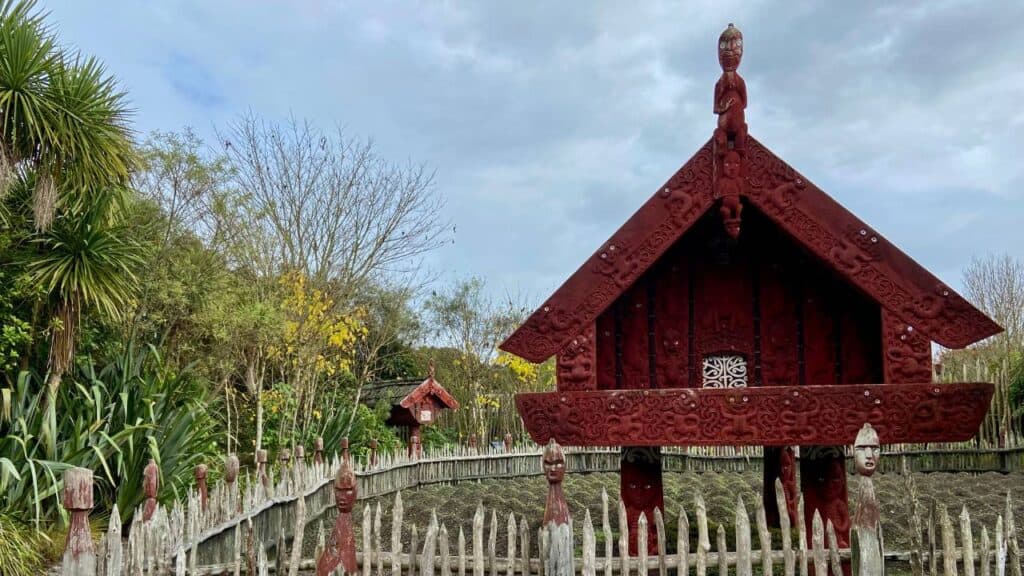
Te Parapara, in Hamilton Gardens, is a living demonstration of traditional Maori horticulture in the Waikato in pre-European times.
Books about Māori culture
If you’re interested in reading about Māori culture, here’s a selection of current popular books. (There are many others!)
They can be bought at quality New Zealand bookstores, e.g. Unity Books has branches in Auckland and Wellington, and they also do online orders.
Tikanga Māori – living by Māori values, by Hirini Moko Mead – Professor Mead, who passed away in 2026 at the age of 98, was a respected academic and thought leader, and his prose is graceful, clear and easy to understand.
Aroha: Maori wisdom for a contented life lived in harmony with our planet by Dr. Hinemoa Elder – an elegantly presented book featuring whakatauki, which are Māori proverbs or sayings. Dr Elder is a well known Māori youth psychiatrist.
Te Koparapara: An introduction to the Māori world, by Michael Reilly et al. A collection of well written academic essays, aimed at university students but accessible for general readers.
Māori Made Easy, by Scotty Morrison – a self-study Māori language course by a popular TV presenter and teacher.
Navigating the Stars: Māori Creation Myths, by Witi Ihimaera – A beautifully retold collection of creation narratives that highlights Māori history, storytelling, and knowledge systems.
Witi Ihimaera is a beloved elder of New Zealand literature. Probably his most famous novel internationally is The Whale Rider (1987).
Māori media platforms
Another way to find out about Māori culture is via the lively and popular Māori media platforms, both in Māori language and in English. They include television, streaming, radio, print and digital media. Check out Māori Television, Whakaata Māori.
E-tangata is a weekly online magazine (in English) with in-depth interviews and thought pieces about Māori and Pasifika issues. It’s free to read, but they welcome subscriptions and donations.
Stay in touch if you have more questions
I hope I’ve answered some of your basic questions about Māori culture for the planning stage of your travels in Aotearoa-New Zealand. And given you some inspiration for where to find out more.
If you enjoyed this post, sign up to my email list to stay in touch. I’ll let you know whenever I publish new posts about slow travel in New Zealand’s green heartland.
And check out my post about great ways to experience the Waikato River.